

Deconstructing Rape Myths and Understanding the Ongoing Struggle Of Convicting Sex Offenders
By Anna-Katharina Priesterath, Editor-In-Chief
Trigger Warning: rape, violence
In September 2023, British ex-BBC radio presenter and comedian Russell Brand made headlines after being accused of sexual assault and rape by four women in the UK related to incidents that allegedly occurred between 1999 and 2005 (source: Russell Brand: A timeline of the allegations made against the public figure | Glamour UK). Brand claimed that all sex was consensual and denied any allegations. Beginning of April 2024, Brand was charged with rape and sexual assault after almost two years of investigations (source: Russell Brand lecture on the dangers of ‘cancel culture’ is postponed at Florida college following rape charges | Daily Mail Online). On May 2nd, 2025, Brand’s trial at the Westminster Magistrates’ Court will take place. Additionally, a civil lawsuit was filed by a woman who claimed he sexually abused her in 2010 during the filming of “Arthur”.
Despite the serious allegations against him, Brand was planning on discussing the dangers of ‘cancel culture’ and censorship speech at the New College of Florida. However, due to the public backlash this event has been postponed. The allegations are serious. Yet, the overall reaction to this news is mild.
Similar situations around, for example, Andrew Tate who has been accused of rape, sexual violence, human trafficking, and physical violence several times prove how although being convicted of serious crimes still allows these public figures to maintain a platform and influence. Not only is this harmful and extremely triggering for survivors who do not feel taken seriously, but additionally this is particularly dangerous for young boys and men who learn that dominating women physically and harming them is ‘masculine’ (shows such as Netflix’ Adolescence depict the impact manosphere influencers can have on young boys when the protagonist Jamie murders his female classmate). Convicts are not being held accountable. The rise of gender-based violence is deeply concerning, yet still a topic that is not being addressed critically enough my many, including major media outlets. In the following, I will deconstruct some of the popular rape myths that continue to shape rape culture, victim-blaming, and the objectification of women. Here are rape truths that we have to acknowledge and talk about.
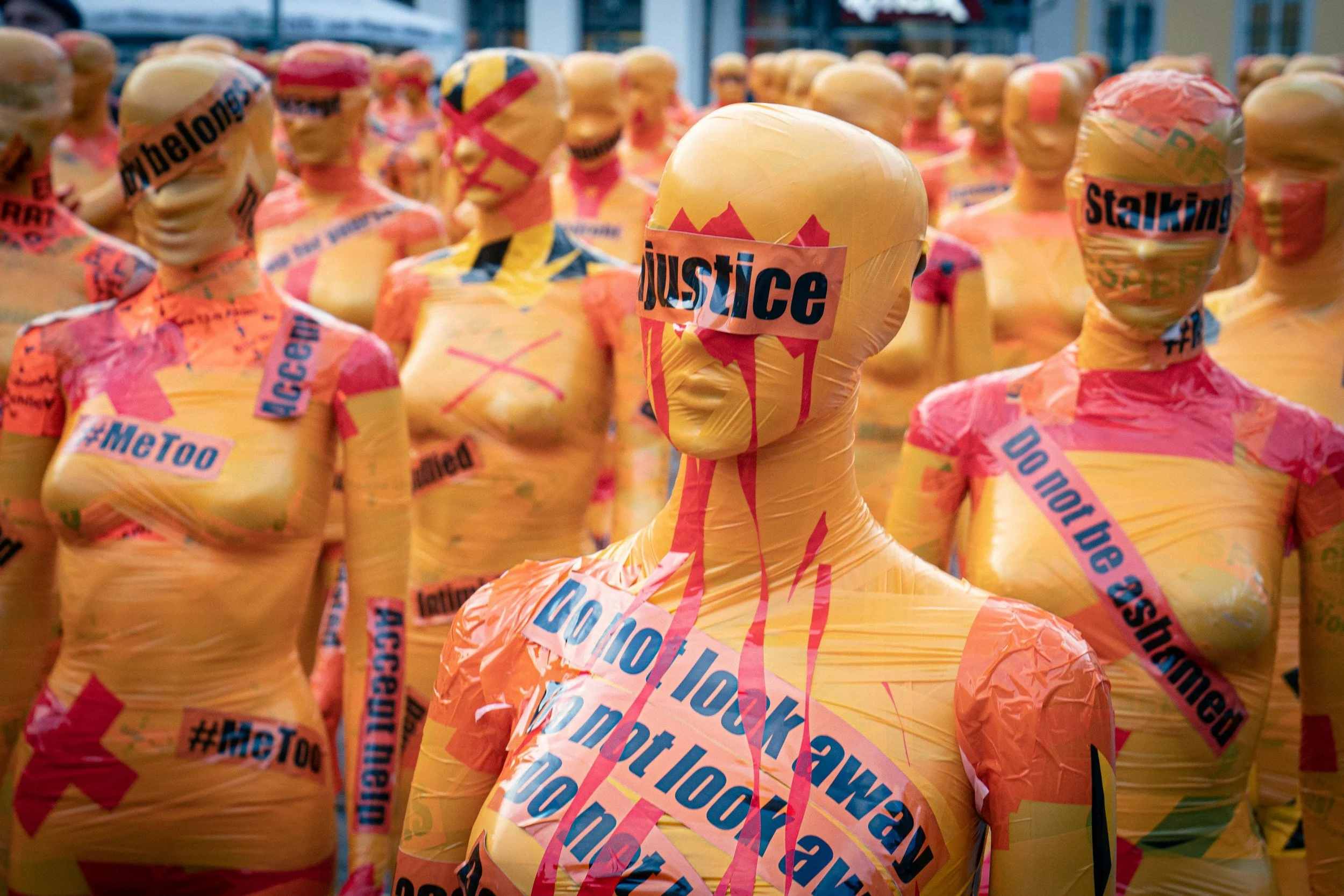
Truth #1 - Whether it was rape should not be up to debate. Consent needs to be given by all parties involved and can be revoked at any point.
Sexual violence is continuously seen as a lesser than ‘real’ violence. While survivors are often traumatized and wounded for life (if they survive), cases such as the Pelicot trial in France of last year show how patriarchal norms still define women’s bodies as inherently available to men. When asked in court whether the rapists involved thought they were guilty of rape, they said that the consent given by her (now ex-) husband was enough for them to proceed.
Truth #2 There are very few false rape allegations.
Survivors are either not believed, debates around ‘misunderstandings’ arise, or the violence is downplayed. The popular assumption of women raising false sexual violence and rape allegations against men is ongoing because it is easier for our society to accept women want to harm men then the opposite, although proven by numbers. Only 2-10% (source: False Allegations of Sexual Assault: An Analysis of Ten Years of Reported Cases - David Lisak, Lori Gardinier, Sarah C. Nicksa, Ashley M. Cote, 2010) of reports of sexual assault are false. It is crucial to also acknowledge the reports never filed because survivors are scared, told off by authorities, or believe they will not be taken seriously. According to a report by the National Sexual Violence Resource Center from 2010, around 63% of sexual assaults are never reported (source: Publications_NSVRC_Overview_False-Reporting.pdf). In recent years, research shows that these numbers have not changed significantly. Although movement such as #MeToo and #TimesUp advocate for speaking out about sexual abuse and gender-based violence, in the UK, Wales (source: Rape: Levels of prosecutions - House of Lords Library), and the U.S. (source: U.S.: reported forcible rape cases 2023 | Statista) still less than half of sexual assault cases are being reported. I want to add here, that although gender-based violence and sexual assault are two different subjects, sexual assault is a deeply gendered issue. 98% of rapists are men and 91% of rape and sexual assault survivors are women (source: Victims of Sexual Violence: Statistics | RAINN).
Rape Crisis England and Wales states that “[f]alse allegations of rape are very rare and are no more common than false complaints for other types of crime.” (source: Myths vs facts | Rape Crisis England & Wales) Yet, when someone robs a store or breaks into a house, there will rarely be a question of whether the person committed the crime. Additionally, some reports may also be dropped because of lack of evidence, trauma-induced memory gaps, or police disbelief and not because it was false.
Truth #3 Rape is not about sexual desire. Rape is about abusing power and asserting dominance.
In 1975 Susan Brownmiller wrote the following: '“Rape is nothing more or less than a conscious process of intimidation by which all men keep all women in a state of fear.” (source: Against our will: men, women, and rape: Brownmiller, Susan: Free Download, Borrow, and Streaming: Internet Archive) 98% of rapists are men, over 90% of survivors are girls and women. Survivors are also often underage.
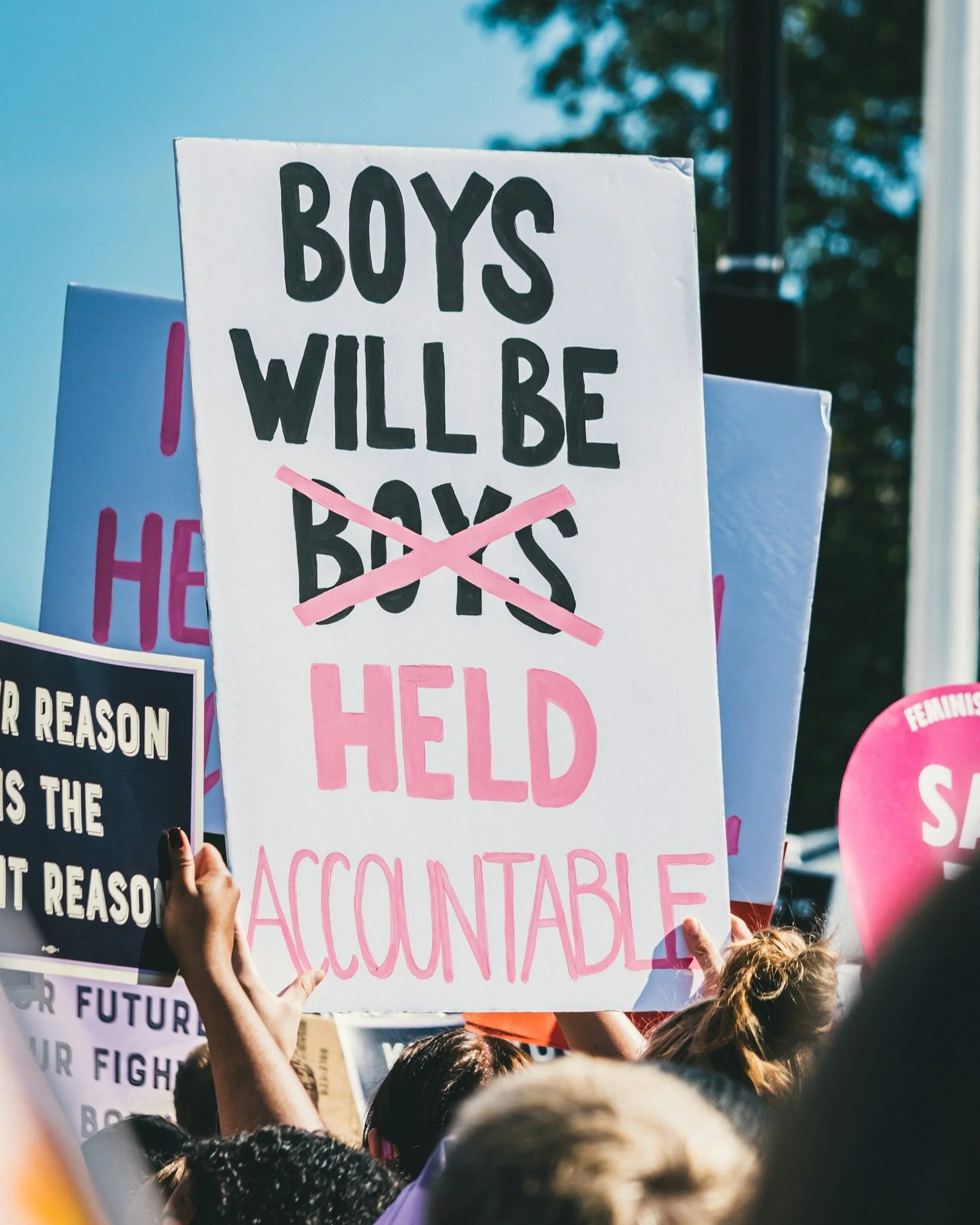
Truth #4 Masculinity, male desire, and the ‘natural’ instinct to dominate women are all social constructs reinforced by patriarchy.
To excuse rapists and downplay their crimes by claiming men have a right to sex, it is their instinct to take what they want, to dominate women, to be violent, or to desire more, are all excuses build on patriarchal belief systems (source: ProQuest Ebook Central - Book Details, University College Cork). Masculinity and femininity are socially made-up constructs that are staying in place through socialization. It is not natural for men to be violent. Male domination and violence are so normalized that while we might be shocked to read headlines about gang rapes, statistics on an increase in gender-based violence, and femicides, these headlines do not stick with us for as long. Consequently, this leads to rapists not being held accountable.
Truth #5 The majority of rapists will not face charges.
Since only a minority of survivors reports sexual assault and rape incidents to authorities, the majority of rapists will continue to live without punishment for their crimes. Additionally, statistics prove that even those rightly accused of sexual assault and/or rape, often remain unpunished (source: Key-facts-about-how-the-CPS-prosecutes-allegations-of-rape.pdf). There will be 7 rape truths in this article. 7% is also the number of convicted rape cases in the United States leading to conviction or prison sentence (source: The Criminal Justice System: Statistics | RAINN). Only 18% of reported rapes in the U.S. lead to arrests. Cases often fall apart due to lack of physical evidence, victim withdrawal (this is often connected to blackmailing, and continuous violence of the perpetrator), systemic biases, and a legal system that disproportionately questions the survivor’s credibility over the perpetrator’s actions.
Truth #6 Women who file claims against perpetrators often experience longer lasting consequences than their perpetrator.(source: Europe: Time for Change: Justice for rape survivors in the Nordic countries - Amnesty International)
Survivors are undergoing traumatic experiences in court (source: Legal system causes great ‘trauma’ for abuse survivors). Often, there is no professional psychological support available (source: Report criticises garda handling of domestic abuse cases). Survivors are met with disbelief by police (source: The Criminal Justice System: Statistics | RAINN), often even encouraged to drop charges against their perpetrators. The Guardian reports that nearly 70% of rape survivors in England and Wales drop out of court hearings due to lacking support and traumatic procedures. Court hearings often take years, and a high number of rapists are left unpunished. Seeing these statistics is highly discouraging for survivors to file complaints and go into court where they often have to face second traumatization due to insensible hearings (source: Nearly 70% of rape victims drop out of investigations in England and Wales | Rape and sexual assault | The Guardian). Not only is the legal procedure often closely connected with secondary traumatization for survivors, stigmatization, and victim-blaming, depending on their case, but they might also experience public harassment.
Additionally, the financial burden on rape survivors is heavy. According to the National Institute of Justice (NIJ) the estimated lifetime cost of rape comes at $122,461 per victim. This includes legal costs, medical fees, criminal justice costs, as well as mental costs of trauma therapy (source: Lifetime Economic Burden of Rape Among U.S. Adults - PMC).
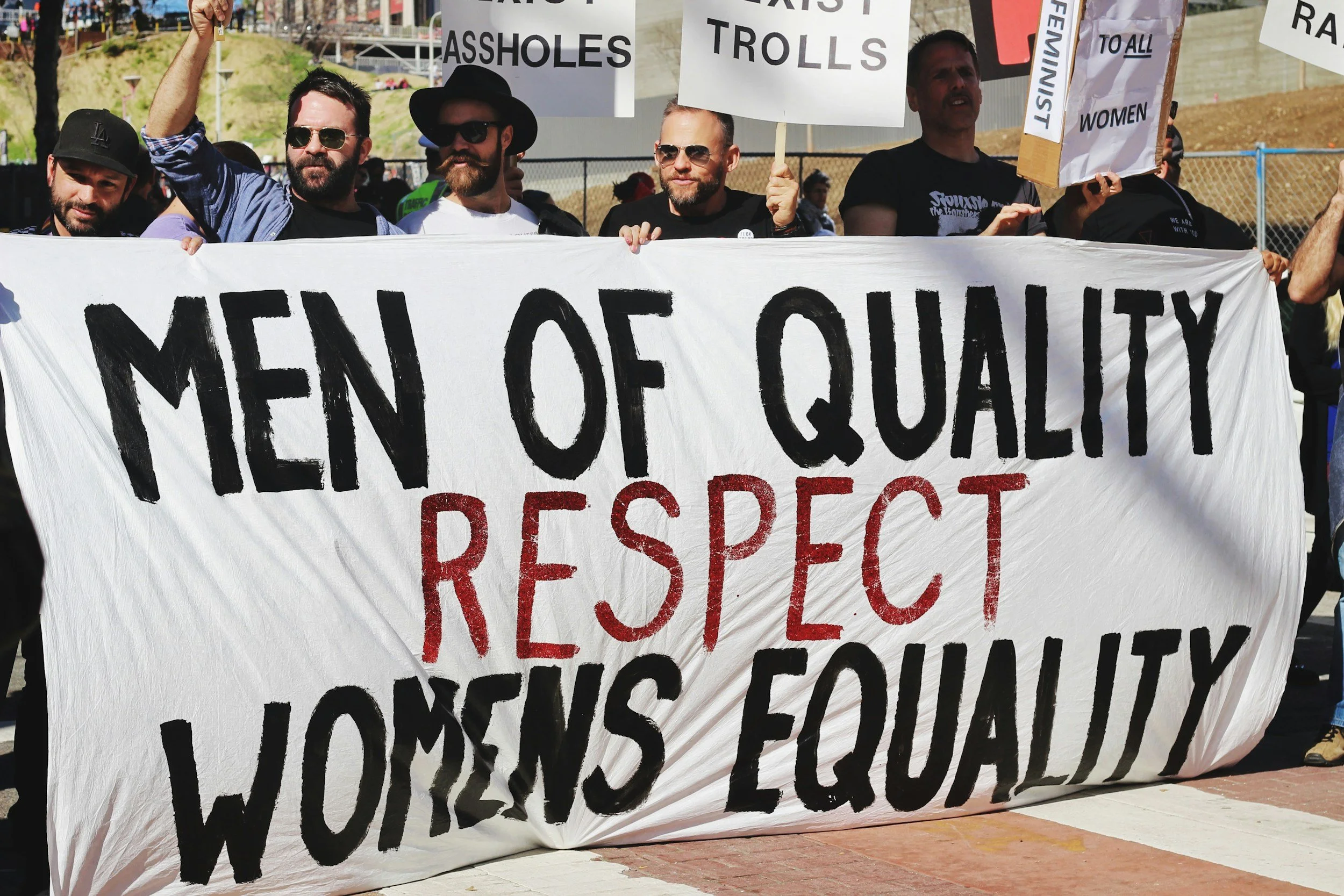
Truth #7 The legal system often protects assaulters more than survivors. (source: C-Decriminalisation-of-Rape-Report-CWJ-EVAW-IMKAAN-RCEW-NOV-2020.pdf)
The low reporting is a result of slow court procedures, low numbers of convictions of assaulters and rapists. Survivors are left vulnerable. In Ireland, court hearings around domestic violence and sexual abuse are often closed to the public and media, which results in a lack of transparency and can enable bias of judges. In addition, to raise awareness about cases the public needs to know details of the trial. This will not only encourage other survivors to report their assault but raise awareness in the public. Without case visibility, it remains difficult for policymakers to identify flaws in laws and policies and improve them. Visibility, as was clearly seen with the #MeToo movement empowers survivors to come forward.
These are some important rape truths that we must acknowledge and internalize. Sexual violence impacts survivors for a lifetime. By continuing to give assaulters a platform and not accordingly punishing them, the numbers of gender-based violence, rape, and assault are only going to rise. According to the World Health Organization, 1 in 3 women will experience physical or sexual violence in their lifetime (source: Devastatingly pervasive: 1 in 3 women globally experience violence), or in other words, 736 million women (source: Facts and figures: Ending violence against women | UN Women – Headquarters).The number of female rape survivors in Ireland is almost three times higher than the European country average (source: Female rape victims in Ireland almost treble that of EU counterparts - European Data Journalism Network - EDJNet).
Now is the time to acknowledge the facts, act in response to them, and not keep quiet.
